domingo, 7 de julio de 2019

2019 FIFA Wome’s World Cup.


Lyon, France July 07th, 2019 (FOX Sports) The USA has defeated the Netherlands 2-0 to claim its fourth World Cup.In the 59th minute of the clash in Lyon, the VAR called for a referral on a challenge from Stefanie van der Gragt on the USA’s Alex Morgan.

Referee Stephanie Frappart reviewed the vision and pointed to the spot. USA star Megan Rapinoe stepped up and slotted the penalty to give her side the lead.

Then, in the 69th minute, the USA doubled their lead through Rose Lavelle. The talented midfielder scythed her way through the Netherlands defence, with van der Gragt among those turned inside out, then unleashed a scintillating strike into the bottom corner.

From there, the USA dominated the clash to record its second-consecutive World Cup win.

If there was any sense of pre-game inevitability that the USA had the firepower to deliver a fourth World Cup, the Netherlands did everything in their power to dispel that. Five minutes, 10 minutes, 15 minutes, 45 minutes, half-time.

For everything the USA threw at the Netherlands, the underdogs in orange held out, keeping a clean sheet for an entire half something no other team has managed this tournament.In the process, they raised the hopes of those in orange that someone might be able to deliver a performance capable of dismantling the reigning champions.

This game couldn’t have posed a more exciting challenge. In one corner was a USA side that had thrilled, spilled and ultimately dominated. This was a team that had faced challenges from the likes of France, England and even Spain and come out the other side on top.

This was a team that had faced criticism for its celebrations, scrutiny on its top players including Megan Rapinoe and Alex Morgan – but had instead risen to the occasion, over and over. In the other corner was a Netherlands outfit that by its own admission had largely failed to deliver the type of exhilarating football it was renowned for – but instead had found grit in defence and a tenacity that had carried it through to its first decider.

And it was the latter that came to the fore in the opening half, as a wall of orange defended astutely, then looked to attack on the counter. It was a clever tactical approach, and the resilient Netherlands defence and midfield were willing to throw everything into the game to ensure it worked.

Meanwhile, Vivianne Miedema worked hard to hold up the ball, with Lineth Beerensteyn offering a chaos-creating presence up top.

Indeed, what arguably summed up the early running of the game was that goalkeeper Sari van Veenendaal was just about the best player of the opening half. The Netherlands captain turned in one of the great goalkeeping performances – something reflective of a tournament that has been one for the custodians, not just the forwards.


For one attempt, she used her foot to flick the ball into her own post. For another, a diving save proved enough to deny a scintillating long-range strike from Alex Morgan. Even when the USA had found chinks in the orange armour, van Veenendaal proved a final, impenetrable layer. But as the clock ticked into the 60th minute, the breakthrough came.

Stefanie van der Gragt, worried by the looming presence of Alex Morgan, attempted to clear the ball with a high kick – but made contact with the star American in the process. When referee Stephanie Frappart made her way over to the VAR screen, there seemed little doubt the spot-kick would be awarded.


 And when the irrepressible Rapinoe – who had been relatively quiet throughout the game off the back of a hamstring injury – stepped up to take the kick, there was little van Veenendaal could do as she blasted it home. All of a sudden, the picture was a very familiar one again albeit 45 minutes later than we’ve gotten used to this tournament: the USA in control on the scoreboard, and ready to scrap like a dog with a bone to hold onto it for dear life.

© 2019 ALL RIGTHS RESERVED
MSH WorldWide By Marcelo Santiago Hernández™.  

miércoles, 26 de junio de 2019

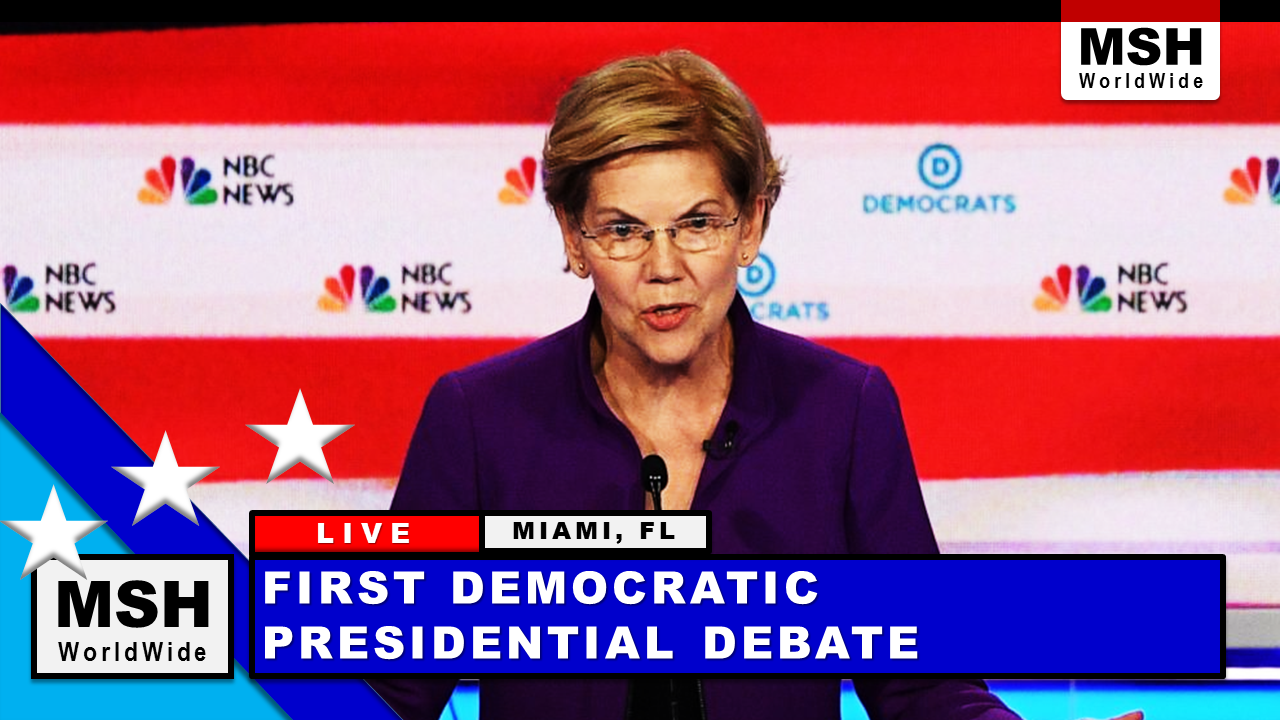
2019 First Democratic Presidential Debate.


Miami, Florida June 26th, 2019 (CNBC). Ten Democratic candidates faced off for the first time Wednesday night in Miami, making repeated appeals to the working class and targeting corporations as they jockey for position in the 2020 presidential primary.

Some key business issues barely came up during the first Democratic debate. President Donald Trump's trade war with China and pledges to break up technology titans saw little or no mention during the two hours of debate.

But Democrats drilled into arguments that they are best equipped to boost the working and middle classes as they elbow to gain ground in a field of two dozen strong. From pledging to make opioid companies criminally liable, promising to reduce drug prices and proposing to take on corporate consolidation, the 2020 candidates kept up the scrutiny of corporate America and the wealthy that has marked the early days of the primary cycle.

From the start, contenders aimed to show how they could improve a solid U.S. economy earning strong marks from voters. Sen. Elizabeth Warren, D-Mass., called for "structural change" to improve a system she says benefits "giant" drug and oil companies but not consumers. Sen. Amy Klobuchar, D-Minn., said Trump "sits in the White House and gloats" while Americans struggle to afford college and health-care premiums.


Former Rep. Beto O'Rourke said he would reverse the 2017 GOP tax cuts and hike the corporate tax rate to 28% from the current 21% to pay for social programs. And Sen. Cory Booker, D-N.J., argued that indicators "from GDP to Wall Street's rankings is not helping people in my community."

Rep. Tim Ryan, D-Ohio, slammed General Motors for having the "audacity" to move car production to Mexico after getting a tax cut and a taxpayer bailout.

The first of two nights of debates showed a Democratic field itching to prove a populist bent in a party that has increasingly argued large corporations have prospered while consumers have suffered. And Warren — the highest polling candidate on stage Wednesday night who has pushed to break up companies from Amazon to Monsanto and tax wealth above $50 million faced no direct attacks from her competitors.


Aseem Prakash, a University of Washington political science professor, said he saw inequality and the message of big corporations working against America as the main theme of the night. He called it a "serious problem" that "the rank and file of the Democratic Party want to hear." Prakash described the message "populism light."

The second of the two debate nights, hosted by NBC News, MSNBC and Telemundo, will take place 9 p.m. ET Thursday. ET. It will feature three of the race's top contenders in former Vice President Joe Biden and Sens. Bernie Sanders and Kamala Harris. Divisions have surfaced among those three candidates on economic issues from trade to health care.

© 2019 ALL RIGTHS RESERVED
MSH WorldWide By Marcelo Santiago Hernández™.

jueves, 8 de noviembre de 2018

2018 Midterms Election #ElectionNight.

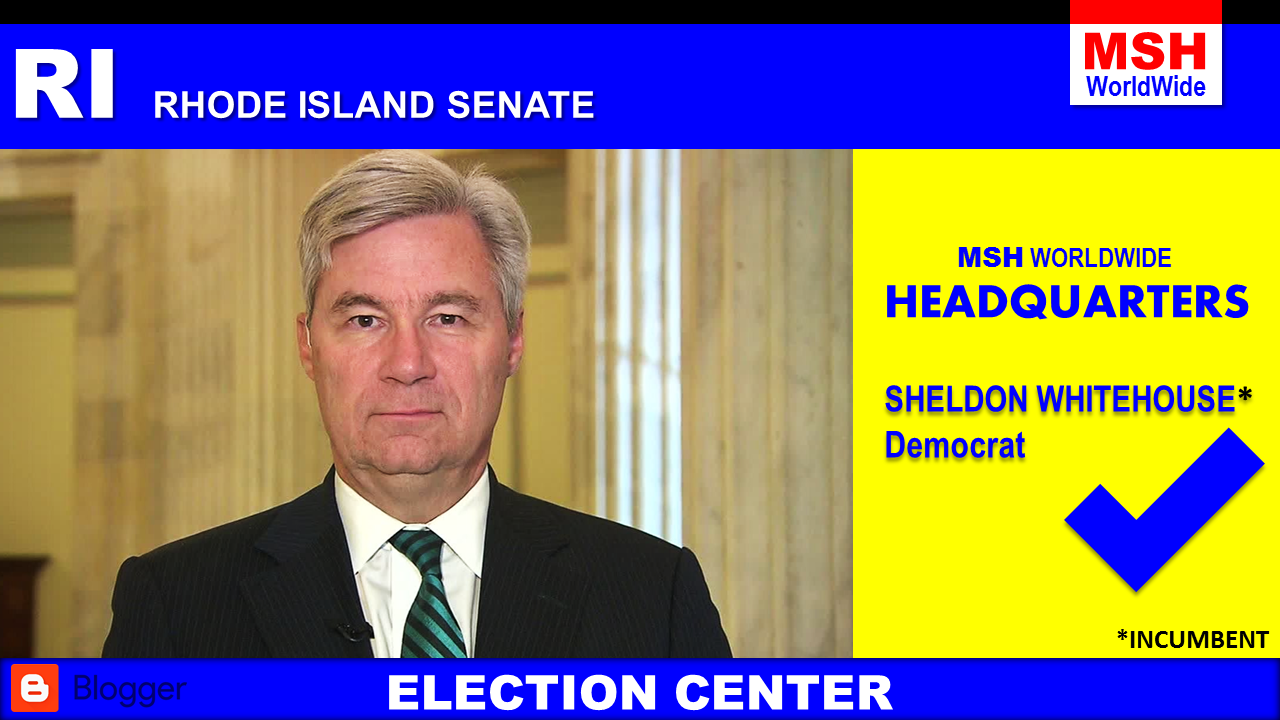
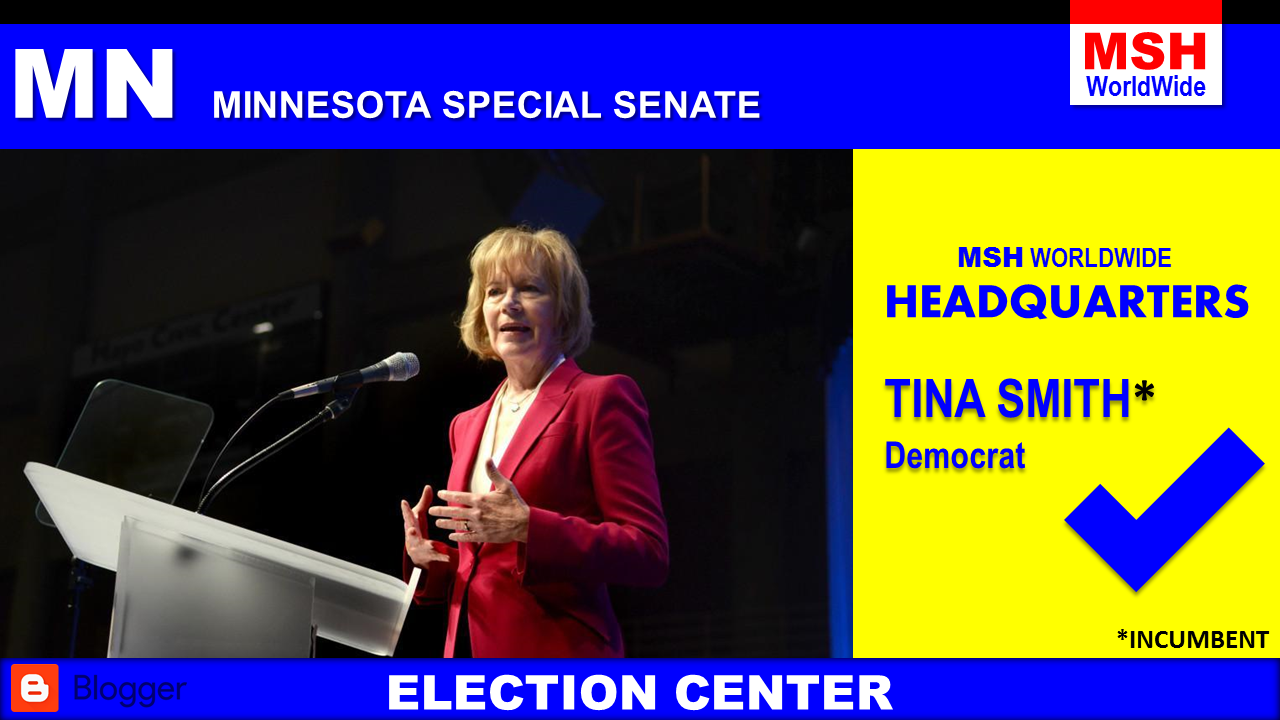
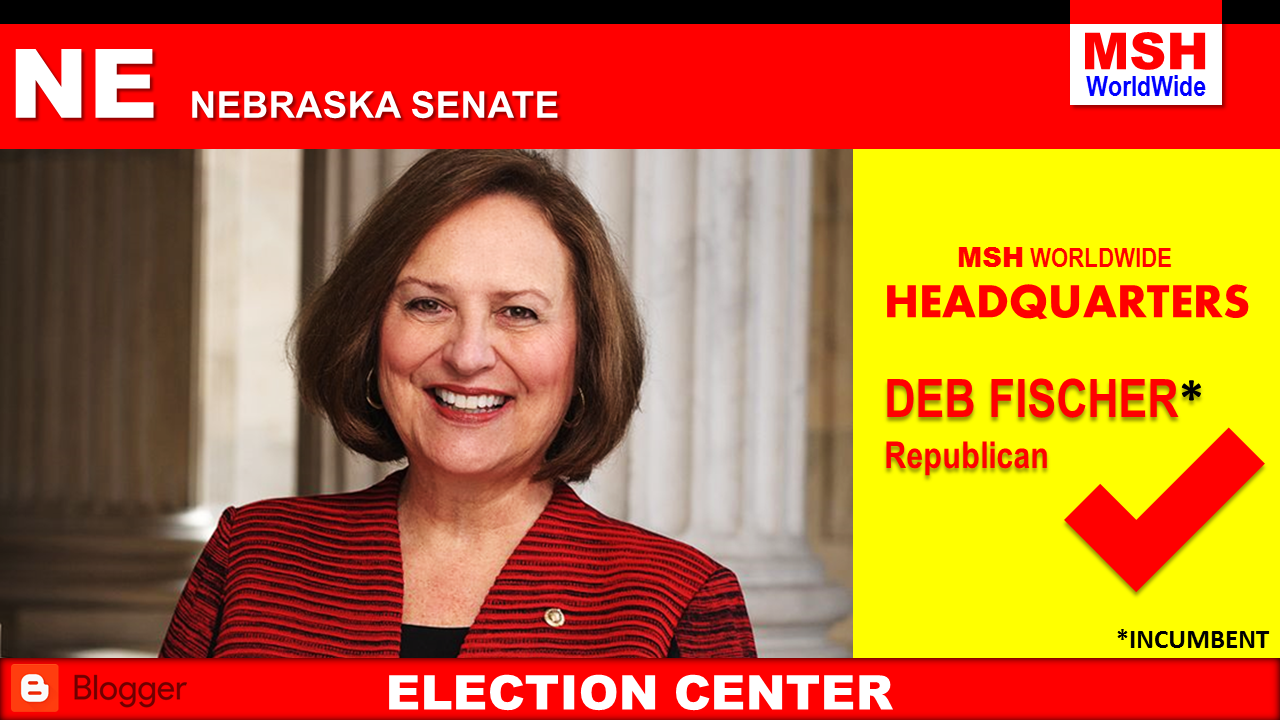
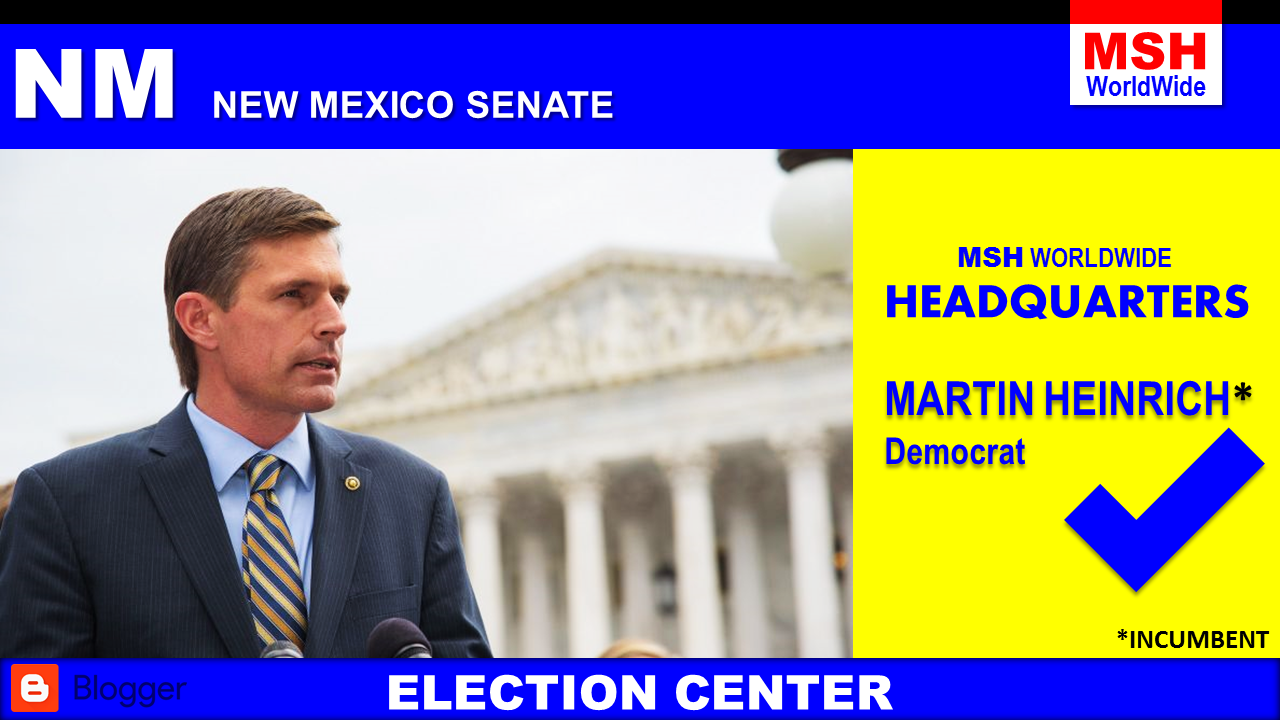
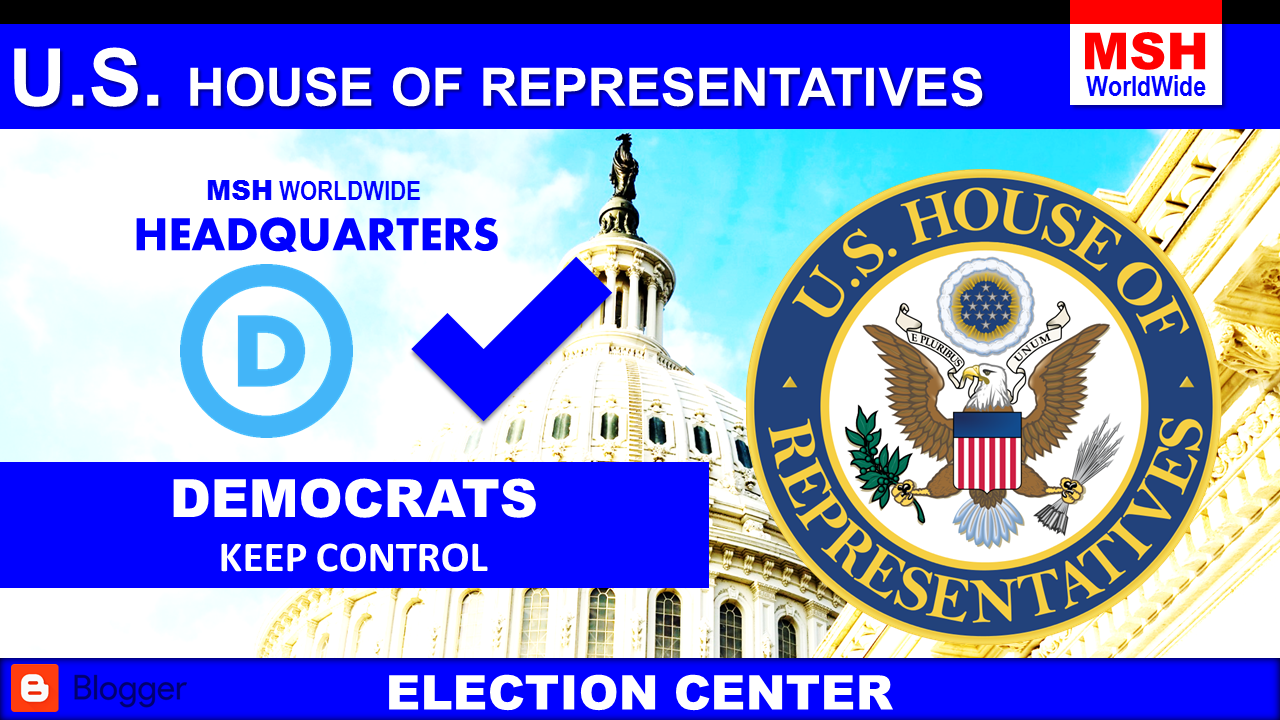
New York City, USA November 8th, 2018 (FOX News). The big story coming out of Tuesday’s midterm elections is how totally the news media missed the issue of what waves were building. There was no red wave. If there had been, Republicans would have kept majority control of the U.S. House and had even more pickups in the Senate.

There was no blue wave. If there had been, Democrats would have gained control of the Senate. There was an underreported green wave, which attempted to drown Republicans in left-wing money. And there was the usual anti-Republican liberal media wave, which tried to prop up Democrats.

This was a fascinatingly complex election in which unique Republican personalities won re-election as governors in New Hampshire, Vermont, Massachusetts, and Maryland – three clearly blue states and one purple state in the Northeast. The biggest change in this election was the sheer volume of money generated by left-wing billionaires and activist groups who hate President Trump. In congressional race after congressional race, Republicans suddenly found millions of dollars poured in against them on a scale that resembled Senate races in the past.

House Republicans had hurt themselves by allowing the number of House incumbent retirees to become larger than any time since 1930, when the Brookings Institution started tracking congressional retirements. Breaking an 88-year record for retirees is a tough way to start an off-year election for the incumbent president’s party.

Despite this institutional disadvantage, President Trump’s House losses were far less than either the 54 seats President Clinton lost in 1994 or the 63 seats President Obama lost in 2010. Measured against the Clinton and Obama standard, you would have to give President Trump an A+ for keeping Republican House losses to a minimum – and setting the stage for a Republican majority comeback in the 2020 presidential election.

In the Senate, the president, working with Majority Leader Mitch McConnell, R-Ky., put together a great, focused campaign that has reversed historic norms and gained seats. In fact, as I am writing this, it appears that enough Republicans will have won Senate seats that it will be far more difficult for Democrats to have a shot at winning a Senate majority in 2020 than anyone might have expected.

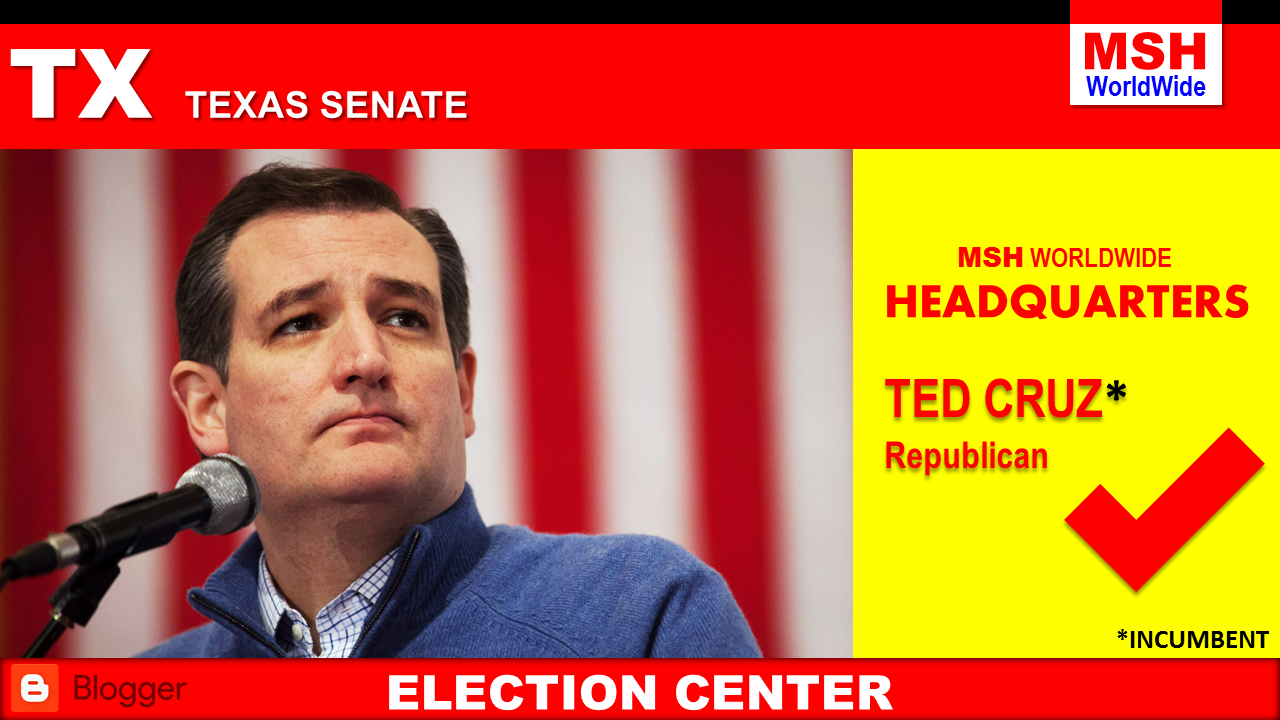
The best example of the green wave’s failure is Rep. Beto O’Rourke, D-Texas. He became the darling of the media – the left’s political rock star to battle Republican Sen. Ted Cruz, who the media despises. O’Rourke raised more than $70 million, a record for a U.S. Senate race – and an amount we used to associate with presidential campaigns. After all the liberal media hype, and the sheer volume of money from the green wave, O’Rourke lost.

Once again, the voters of Texas disappointed the liberal media by refusing to elect their darling. Republicans gained Senate seats to an unprecedented degree, because President Trump personally crisscrossed the county holding massive rallies, which dwarfed the size of former President Obama’s rallies.

This was President Trump’s victory, and he and Sen. McConnell will use it well to continue getting judges and other nominees confirmed by the Senate, to block left-wing actions by the Democrats, and to set the stage for key legislative achievements the American people want (probably starting with infrastructure investments and reforms).The president defeated both the money wave and the liberal media – and had a very successful midterm election for a first-term president.

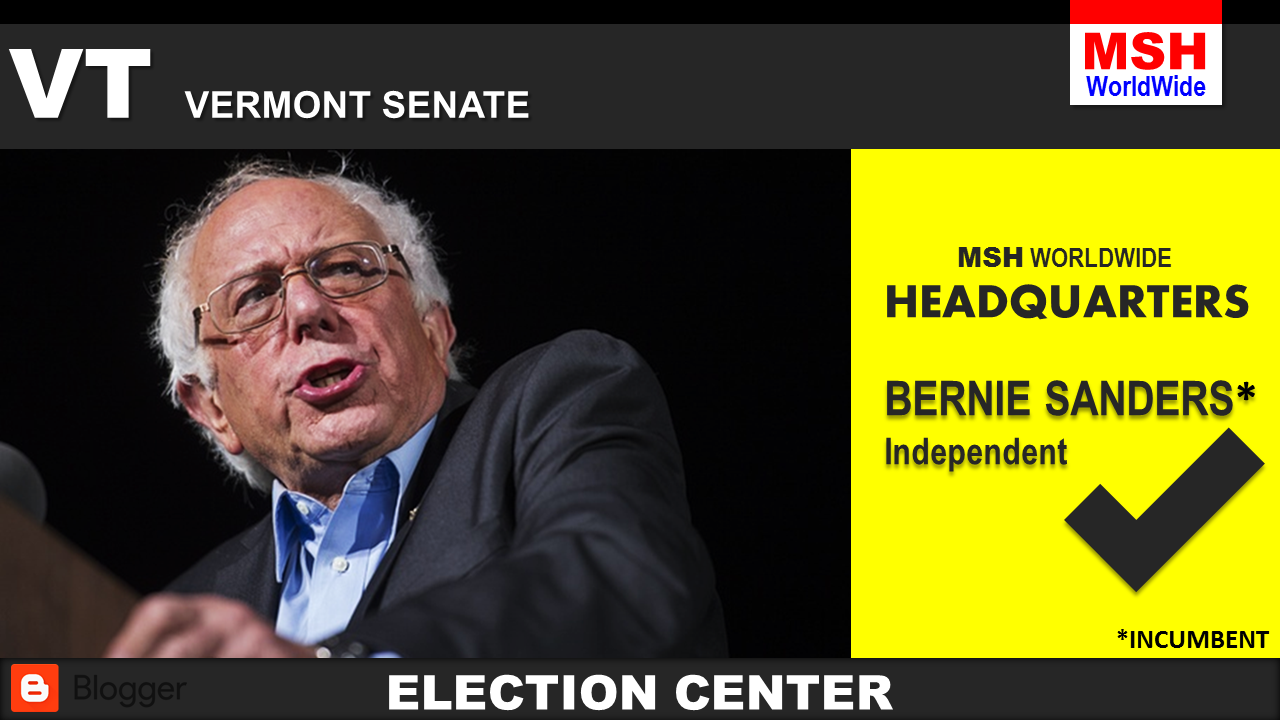
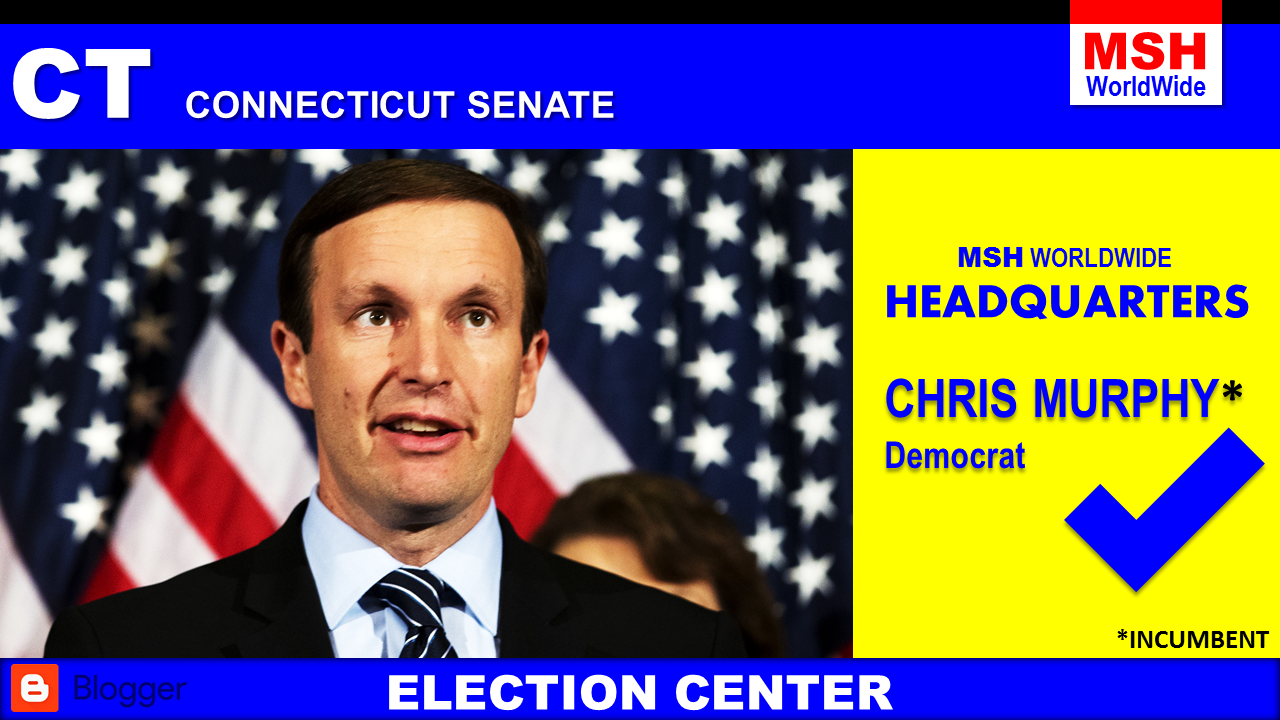
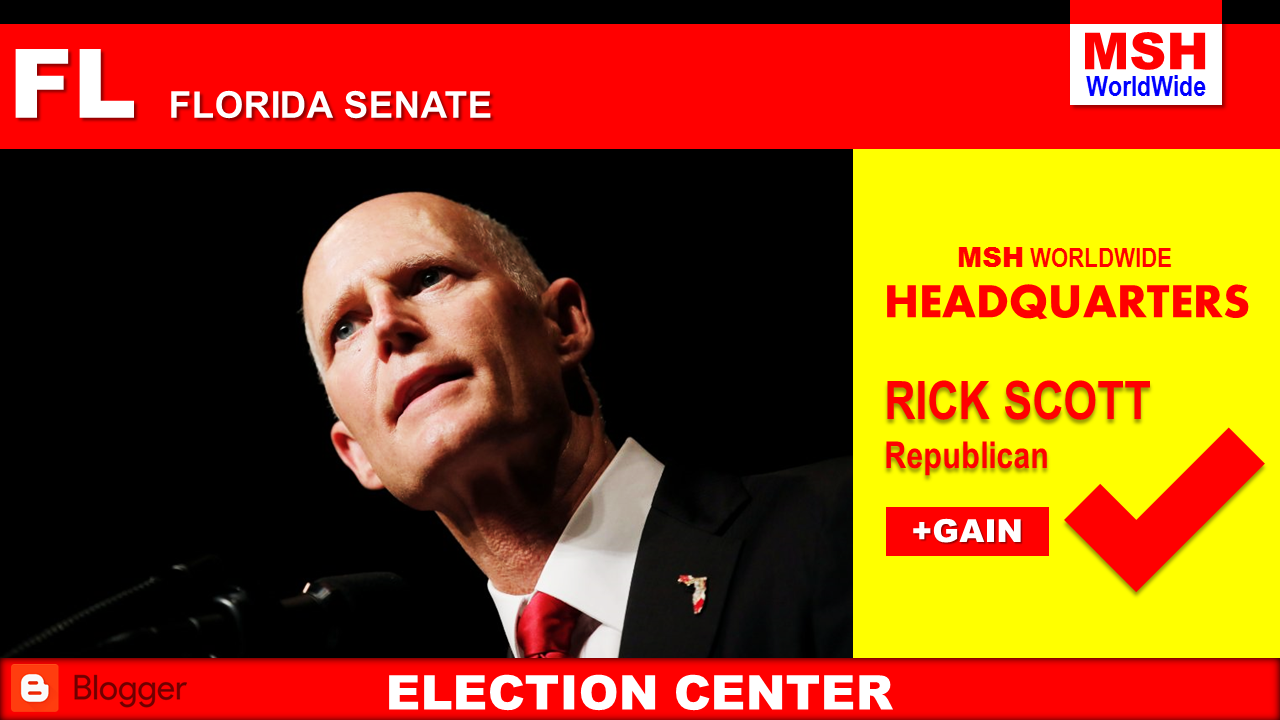
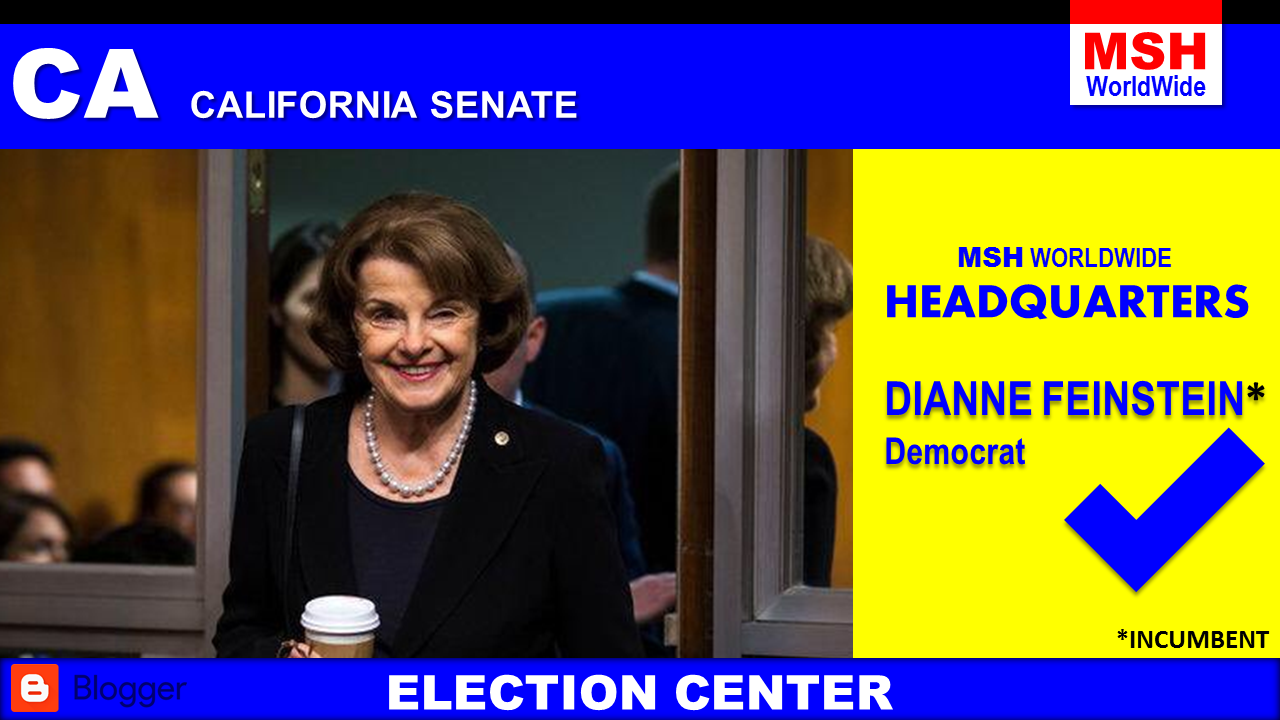
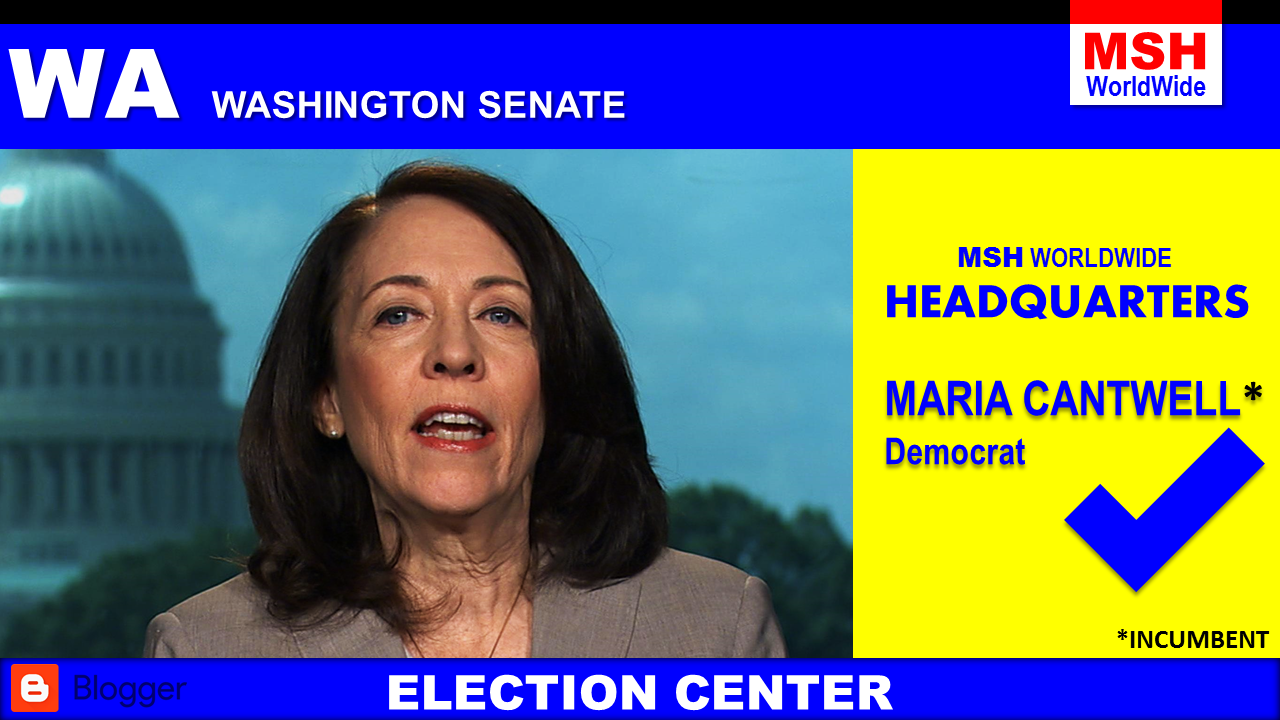
FULL PROJECTIONS 
Order for poll closing time and winners in this time.

Mississippi Special - RUNOFF
Arizona - TOO CLOSE TO CALL


MAJOR PROJECTIONS


© 2018 ALL RIGTHS RESERVED
MSH WorldWide By Marcelo Santiago Hernández™. 

lunes, 22 de octubre de 2018

Britney Spears 'Domination' Residency Las Vegas 2019


Las Vegas, NV United States of America October 22nd, 2018 (Billboard). Britney Spears took to The Ellen Show's YouTube channel on Oct. 18 to announce that her Domination Las Vegas residency will start in Feb. 2019 at the MGM Park Theater, and fans are, naturally, flipping out.


The Britney Army’s response to the news was met with a mix of excitement at her return on the Las Vegas Strip and a bit of disappointment at the muted reveal. Spears rose onto the stage, lit by fireworks and the word "Domination" written in neon, but without performing or commenting on the residency, left wordlessly.


Some Britney stans had a whole lot of fun at their queen's expense, while others were left in awe at the pop star's majesty. “Only Britney would make an announcement without even talking,” one Twitter commenter wrote.

© 2018 ALL RIGTHS RESERVED
MSH WorldWide By Marcelo Santiago Hernández™.

viernes, 19 de octubre de 2018

20th Aniversary of ...Baby One More Time.

 
New York City (NY-USA) October 19th, 2018 (E! News). Oh baby, baby, Britney Spears' "...Baby One More Time" is almost 20 years old!

Which means it's been almost 20 years since the singer rose to fame and wow, what a ride it's been. The pop star, who remains one of the most popular music artists in the world, reflects on the success of the song in an interview with The Guardian, posted on Saturday.

"...Baby One More Time," her debut single, was released in October 1998 and was accompanied by what has become one of the most iconic music videos of all time: A clip depicting Spears as a sexy schoolgirl.


"The whole song is about that stress that we all go through as teens," Spears told The Guardian. "I knew it was a great song. It was different and I loved it, [but] I don't think you can anticipate how a song is going to be received."


he single, which is also about a girl begging for her ex-boyfriend to call her, reached No. 1 in music charts in the United States and at least 10 other countries and sold more than 1 million copies domestically.


Spears almost didn't get to record the track, which was written by Max Martin and Rami Yacoub. R&B group TLC was offered it before her, as was Swedish singer Robyn.

"I was like, I like the song but do I think it's a hit? Do I think it's TLC? I'm not saying, 'Hit me baby.' No disrespect to Britney," member Tionne "T-Boz" Watkins told MTV News in 2013. "It's good for her. But was I going to say, 'Hit me baby one more time'? Hell no!"

"That's not even my subject of conversation, so you know, it worked for her, I'm happy for her, I like Britney," T-Boz continued. "Every song isn't good for each artist, and when you're a real artist you know what you believe in and what you really want to sing. So, I'm clear that it was a hit, but I'm also clear that it wasn't for TLC."

Spears recorded "...Baby One More Time" and others songs for her debut album by the same name in Sweden. Co-writer Yacoub told The Guardian he remembers the singer as "very shy and super sweet," adding, "I mean she was a kid and we had no idea there was a beast of an artist lurking under that innocent look."

After Spears finished recording, she set off on a shopping mall solo tour in her native United States. Months later, "...Baby One More Time" was released and was certified gold after a month. And the rest is history.

"Wow, that went quick. It was such a fun and crazy time," Spears told The Guardian. "It was a bit of a blur."

Britney Spears Reflects on "...Baby One More Time" 20 Years Later


© 2018 ALL RIGTHS RESERVED
MSH WorldWide By Marcelo Santiago Hernández™.

domingo, 7 de octubre de 2018

United States-Mexico-Canada Agreement (USMCA).


New York City, October 07th, 2018 (FOX Business). U.S. Commerce Secretary Wilbur Ross on Monday told FOX Business that the new trade deal with Canada and Mexico is a win for the American dairy industry.

The U.S. and Canada on Sunday announced that the two nations and Mexico had reached a deal to revamp the North American Free Trade Agreement, that would allow access to Canada’s dairy market and protect Canada from potential U.S. auto tariffs. The new pact would be renamed the United State-Mexico-Canada Agreement.

According to Ross the new deal eliminates the controversial Class 7 dairy policy that Canada created to boost domestic butter by raising the price for milk.

“It’s quite huge,” Ross told Maria Bartiromo on “Mornings with Maria.” “We were already selling some $600 million a year of dairy product up there but the infamous Class 6 and Class 7, which [provoked] the big outcry last year, particularly when the president was out in Wisconsin, those classes are being gradually done away with.”


In addition, Ross said that there will be higher quotas on cheeses, poultry and eggs.

Along with other components, the new deal will also benefit the U.S., Canadian and Mexico’s auto industries.


“I think it clearly vindicates President Trump’s trade policies because this is fundamental reform,” Ross said. “Now, there’s no more NAFTA, there’s USMCA. So R.I.P NAFTA.”


Ross said he expects the deal to be signed within the next 60 days and he added that the ratification process may take longer.


© 2018 ALL RIGTHS RESERVED
MSH WorldWide By Marcelo Santiago Hernández™. 

martes, 2 de octubre de 2018

#2deOctubre a 50 años del M68.

 
Ciudad de México, México a 02 de Octubre, 2018 (Proceso). El tiempo le dio la razón a Gerardo Estrada Rodríguez, que hace años fue criticado por describir al movimiento estudiantil de 1968 como una profunda manifestación de la sociedad civil y una importante revolución cultural.

Ese año, sostiene, hubo en el mundo diversas revoluciones que siguen influyendo en la sociedad a pesar de que ya pasó medio siglo. Como ejemplos cita el uso de las pastillas anticonceptivas –que liberó del yugo biológico a las mujeres–, las revueltas en Estados Unidos contra la guerra de Vietnam, y en Brasil contra el militarismo, en Francia contra el autoritarismo y en Checoslovaquia para oponerse a la invasión soviética.

En México el movimiento fue el inicio o el germen de la sociedad civil, al manifestarse contra del yugo presidencialista, y el comienzo de la crisis del sistema político, aunque éste no ha desaparecido.

Sociólogo, investigador y académico de la UNAM, escribió en 2004 el libro 1968. Estado y Universidad, en el cual hace una revisión de los movimientos estudiantiles precedentes, señala las causas y las consecuencias del de 1968 en México y describe los procesos contestatarios que se generaron en varios países.

La nueva edición de 1968. Estado y Universidad, con prólogo del politólogo francés Alan Touraine y epílogo de Carlos Monsiváis, da pie a su autor para reiterar en la entrevista que está cada vez más claro que el movimiento estudiantil fue un parteaguas en la historia de México, como lo reconoció por cierto el presidente José López Portillo.

Con estudios de maestría y doctorado en la Escuela de Altos Estudios en Ciencias Sociales de la Universidad de París, además de exdirector del Instituto Nacional de Bellas Artes, Estrada destaca que en 1968 hubo una ruptura del régimen mexicano de partido hegemónico y acendrado presidencialismo, en el cual el Congreso estaba supeditado al jefe del Ejecutivo.

“Por primera vez reconocimos la pluralidad, la existencia de otros mexicanos que pensaban distinto. Ya había habido otros movimientos, como los realizados por los obreros, por los sindicatos de educación, los médicos, así como focos de guerrilla, pero por primera vez, de manera masiva, las clases medias protestaban con causas eminentemente políticas”, precisa.

Indica que, si vemos en perspectiva las demandas de los estudiantes (libertad a los presos políticos, castigo a los responsables, la renuncia del jefe de la policía, la desaparición del delito de disolución social), se trata de temas que podrían cubrirse con transparencia y rendición de cuentas.

Usted menciona la participación de la clase media y el inicio de la crisis del sistema de partidos, así como de la estructura política. Hoy vivimos lo mismo de manera más profunda…

Sí, claro. El movimiento estuvo inspirado en la desconfianza hacia los partidos, hacia las organizaciones institucionales. Hay gente que pretende asociar el movimiento estudiantil con los partidos de izquierda, pero no fue así. Fue un movimiento muy amplio en el que los estudiantes de ciencias políticas y filosofía tenían más conciencia, pero el ejemplo del rector Barros Sierra hizo que otros estudiantes, de medicina, ingeniería, administración pública y otras carreras, se dieran cuenta de la manera en que procedió el Ejército en la Preparatoria 1 de San Ildefonso.

“Todos teníamos desconfianza de las organizaciones, de los partidos, y eso se ha ido acentuando. Tan es así que Morena no es un partido político, es más un movimiento social que recoge la experiencia del movimiento del 68. Esa tendencia hacia el asambleísmo, que para bien o para mal es real aunque políticamente es negativa, es producto de la desconfianza hacia las organizaciones institucionales. Yo espero que, en la medida en que pasen los años, el país madure políticamente y los ciudadanos volvamos a organizarnos, porque la política es organización.”

Agrega que, como se demostró en la reciente elección presidencial, “Morena le ha apostado más a la espontaneidad social que a la organización política. Si bien detrás hay un aparato, lo cierto es que la gente se entusiasma porque siente que no hay ataduras, no se compromete con una ideología en particular, sino con ciertas demandas y principios, pero tampoco siente que este señor (López Obrador) la vaya a traicionar.

“En cambio, vemos muy desgastados a todos los partidos que acabaron por traicionar sus principios y sus ideales. La gente se apuntaba al PAN porque representaba ciertos valores, y de repente se convirtió, al llegar al poder, en una olla de grillos al igual que el PRD. El escepticismo ha ido creciendo, pero espero, por el bien del país, que no siga aumentando.”

Otro elemento de paralelismo histórico es el uso de la fuerza militar por el gobierno, que desde entonces ha recurrido a ella para tratar de resolver situaciones difíciles, especialmente conflictos sociales.

“Es difícil entender esto, porque el poder tiene una lógica y es algo que descubrimos en 1968. La respuesta tan violenta y brutal del gobierno el 2 de octubre, la toma de la UNAM y del Politécnico, no fueron más que la expresión de la lógica del poder, y no había manera de enfrentarlo. Si bien se trataba de un régimen autoritario y si bien es cierto que el presidente Díaz Ordaz tenía una personalidad paranoica y que se vio con el tema de las Olimpiadas, creo que en el fondo había esa lógica del poder que no iba a permitir que se le cuestionara, y nosotros estábamos cuestionando al poder, que hasta entonces había sido intocable.”

A su parecer, eso lo plasma muy bien Octavio paz en Posdata, cuando habla del gran Tlatoani y señala que nadie más podía ascender la pirámide del poder porque en seis años él era el punto más alto.

“En eso es en lo que ahora debemos estar alerta –dice– porque la historia no camina en un solo sentido, se puede repetir otra vez y podemos volver a cometer los mismos errores. Una experiencia que nos dejó el 68 a algunos de nosotros es cierto escepticismo, fuimos muy ingenuos y creíamos que podíamos hacer más de lo que debíamos.”

El 68 es el fin de la inocencia.

Exactamente, es el fin de la inocencia política. Vivíamos en el llamado “milagro mexicano”, el desarrollo estabilizador, pero detrás de eso había mentiras muy grandes. La corrupción era siniestra porque ya había muchos ejemplos y no se hacía nada. La historia se repite de maneras muy curiosas, pero en el caso de Díaz Ordaz no lo podemos acusar de corrupto; más bien de autoritario e intransigente. Pero eso es tan malo como ser corrupto, porque es muy negativo y tiene consecuencias muy graves.”

Contra todo eso, destaca, el movimiento del 68 desembocó en muchas libertades, como la de prensa:

“Un ejemplo es el caso de Julio Scherer, que llega a la dirección de Excélsior en julio del 68 y da una batalla muy grande que termina con el golpe del gobierno de Luis Echeverría. Pero Scherer y todo su equipo hicieron mucho por apoyar al movimiento el tiempo que pudieron, como fue el cartón de Abel Quezada en negro y la pregunta: ¿Por qué? Eso fue conmovedor.

“El golpe gubernamental contra Scherer derivó en el surgimiento de otros medios, como Proceso, UnomásUno y La Jornada, mientras que en la radio se fueron abriendo espacios poco a poco, hasta llegar al trabajo de José Gutiérrez Vivó.

“Otra de las herencias del movimiento de 68 es la libertad de expresión en el ámbito cultural. En esa época había una fuerte censura del gobierno y, por citar ejemplos, estaban prohibidas películas como La batalla de Argel y la Sombra del caudillo.

“El Estado nos trataba como menores de edad. En la universidad (UNAM) sí había libertad; en sus cineclubes se podían ver las películas que no podían ver el resto de los mexicanos. Hoy podemos ver en la televisión programas en los que se cuestiona el papel del Ejército en la desaparición de los estudiantes de Ayotzinapa, lo que hace 40 años era imposible. Todas estas son herencias del 68 que nos hacen más ciudadanos, más libres. En este sentido, el movimiento está vigente porque estamos viviendo ahora esos cambios que provocó.”

Decía que la historia se repite y que hay una lógica del poder que hace 50 años se manifestó en el uso de la fuerza militar. Hoy, con la lucha contra el narcotráfico, sigue la misma lógica del uso de la fuerza militar para enfrentar al crimen organizado y para reprimir movimientos sociales –plantea el reportero.

Sí, aunque ha disminuido sigue presente. Debemos tener claro que lo peligroso de que (el gobierno federal) haya acudido al Ejército para resolver el problema del narcotráfico sin haber funcionado, refleja que tarde o temprano el gobierno va cediendo poder y parte de sus facultades, y va recurriendo más al brazo armado del Estado para usarlo contra los ciudadanos.

Subraya que, si el Estado usa a los militares para todo, sólo muestra su incapacidad para resolver los problemas por la vía del diálogo y de la negociación. Recuerda que el primer acto de violencia en el 68 fue el bazucazo de los militares contra el portón de la preparatoria de San Ildefonso.

“Nunca antes habíamos visto una bazuca o metralletas más que en el desfile militar del 16 de septiembre; de repente ya estaban en las calles. Cuando el rector Javier Barros Sierra marchó en defensa de la autonomía de la UNAM hasta la calle Félix Cuevas, a un costado del Parque Hundido, estaban las tanquetas y ametralladoras apuntando hacia nosotros. El gobierno pensaba que esa era la manera de resolver el problema, lo cual era terrible y ridículo. Desde entonces debimos ver lo que pasaría el 2 de octubre. El que ahora se recurra tanto al Ejército tiene ese peligro, en esa misma lógica del poder.”

¿Esa es una enseñanza del 68?

Así es, la debilidad o la inmadurez del Estado provoca que se acuda a la fuerza militar. Ahora hablamos de una debilidad del Estado, pero en el 68 era muy fuerte, y sin embargo la paranoia, el miedo que tenía el grupo gobernante, sobre todo la gente que estaba alrededor del presidente Díaz Ordaz, provocó todo eso.

Al preguntarle cuáles enseñanzas de aquel movimiento se deberían tomar en cuenta en víspera de que López Obrador asuma la Presidencia, Estrada es cauteloso: “Espero que estén vacunados contra los delirios del poder… no hay que creer que ese poder es para siempre y para hacer lo que uno quiera. Espero que se hayan aprendido las enseñanzas del 68, aunque tengo mis dudas. Le decía que nos hemos vuelto un poco escépticos.”

Precisa que el 1 de julio la gente votó en su mayoría por la única alternativa política que falta experimentar, con la esperanza de que ahora sí haya un cambio. Pero le preocupa gravemente que en Morena haya algunos personajes que en el 68 se opusieron al movimiento democratizador.

Si partimos de que en 1968 se perdió la inocencia, ¿qué ha pasado en estos 50 años?

Los jóvenes de hoy no son lo que dice mucha gente: apáticos e indolentes, que nada les importa más que estar metidos en sus teléfonos celulares. Es una visión equivocada y lo acaban de demostrar en el sismo de 2017, cuando salieron a ayudar a los damnificados como se hizo en 1985. Hace cuatro años, cuando ocurrió la desaparición de los estudiantes de Ayotzinapa, también salieron a manifestarse, indignados. Ahora, con el ataque de los porros, salieron a la calle jovencitos de 16 y 17 años, molestos por la violencia en contra de sus compañeros.

En conclusión, ¿qué representa el movimiento del 68 medio siglo después?

Para mí ha sido una brisa libertaria que invadió a los jóvenes de todas partes del mundo. Es una antorcha permanentemente encendida, porque siguen vigentes sus ideales libertarios. Creo que siempre habrá jóvenes que tienen esa necesidad de expresarse libremente. Eso es para mí el movimiento del 68.
 

© 2018 ALL RIGTHS RESERVED
MSH WorldWide By Marcelo Santiago Hernández™.